 Source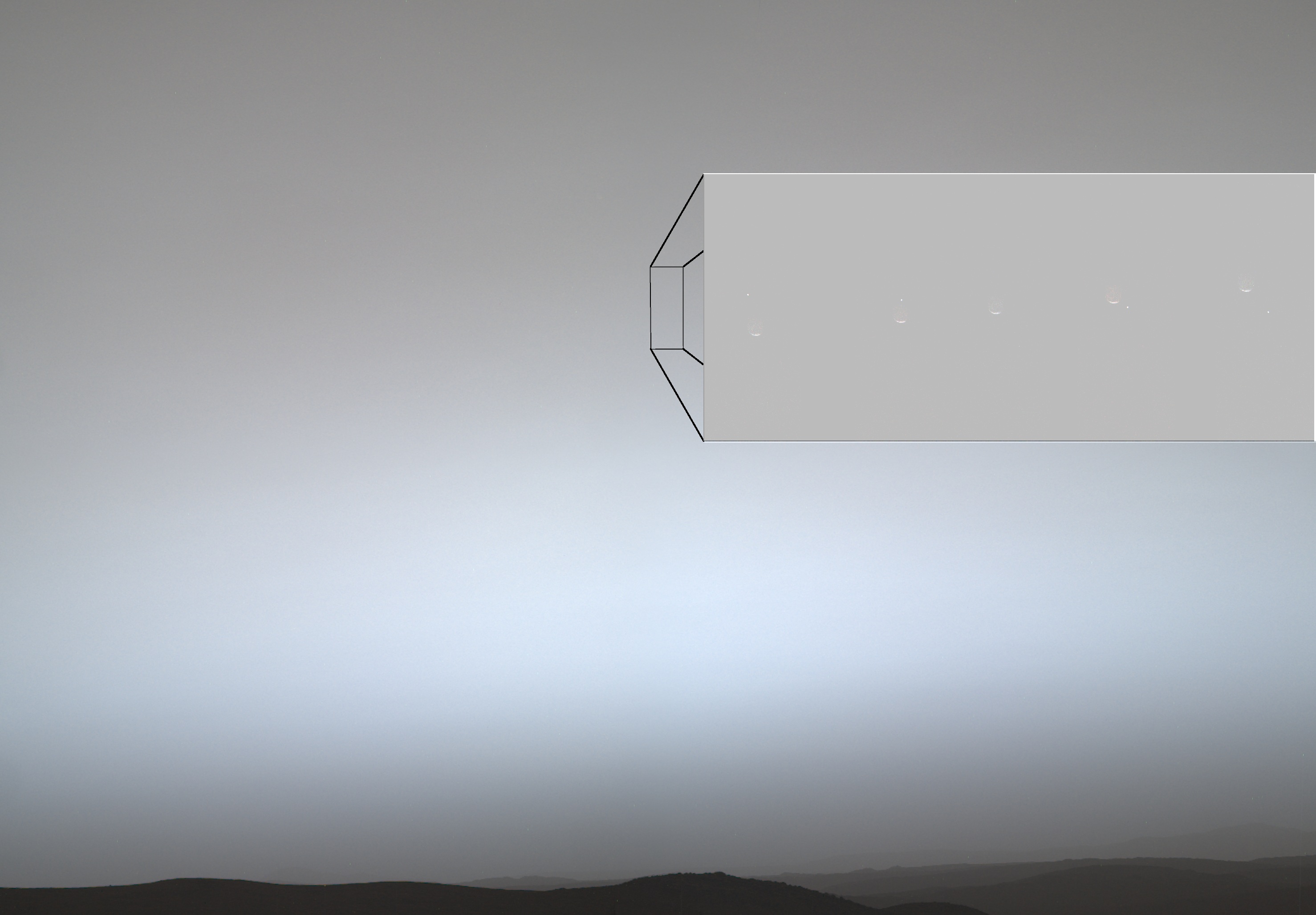
NASA’s Perseverance Rover Watches Earth Vanish Behind Martian Moon
NASA's Perseverance rover captured images of an occultation on July 2, 2026, where Earth disappeared behind the Martian moon Phobos.
Why it matters
This is the first time humanity has observed and captured Earth disappearing behind another object from the surface of a different planet.
The details
- The images were taken using the rover's Mastcam-Z instrument.
- Phobos is about 17 miles wide at its widest point.
- Earth appeared as a single, pixel-size dot from Mars.
Show entities and relationshipsHide entities and relationships
In this article
Key connections
Malin Space Science Systems owns Mastcam-Z
Malin Space Science Systems designed, fabricated, and operates the Mastcam-Z camera system.
Arizona State University leads Mastcam-Z
Arizona State University leads operations of the Mastcam-Z instrument.
Justin Maki works at Jet Propulsion Laboratory
Justin Maki is an imaging scientist at NASA's Jet Propulsion Laboratory.
Justin Maki leads Mastcam-Z
Justin Maki serves as deputy principal investigator for Mastcam-Z.
Mark Lemmon works at Space Science Institute
Mark Lemmon is a researcher at the Space Science Institute.
Mark Lemmon is related to Mastcam-Z
Mark Lemmon is a co-investigator for the Mastcam-Z instrument.
Show 2 more connectionsShow fewer connections
Malin Space Science Systems is a partner of Arizona State University
Malin Space Science Systems collaborates with Arizona State University on Mastcam-Z design, fabrication, and operation.
Perseverance uses Mastcam-Z
Perseverance carries and uses the Mastcam-Z camera instrument to capture images.
Related events
Perseverance Rover Captures Earth Occultation Behind Phobos
Get the weekly recap
The stories like this one, picked and explained — once a week, straight to your inbox.