 Source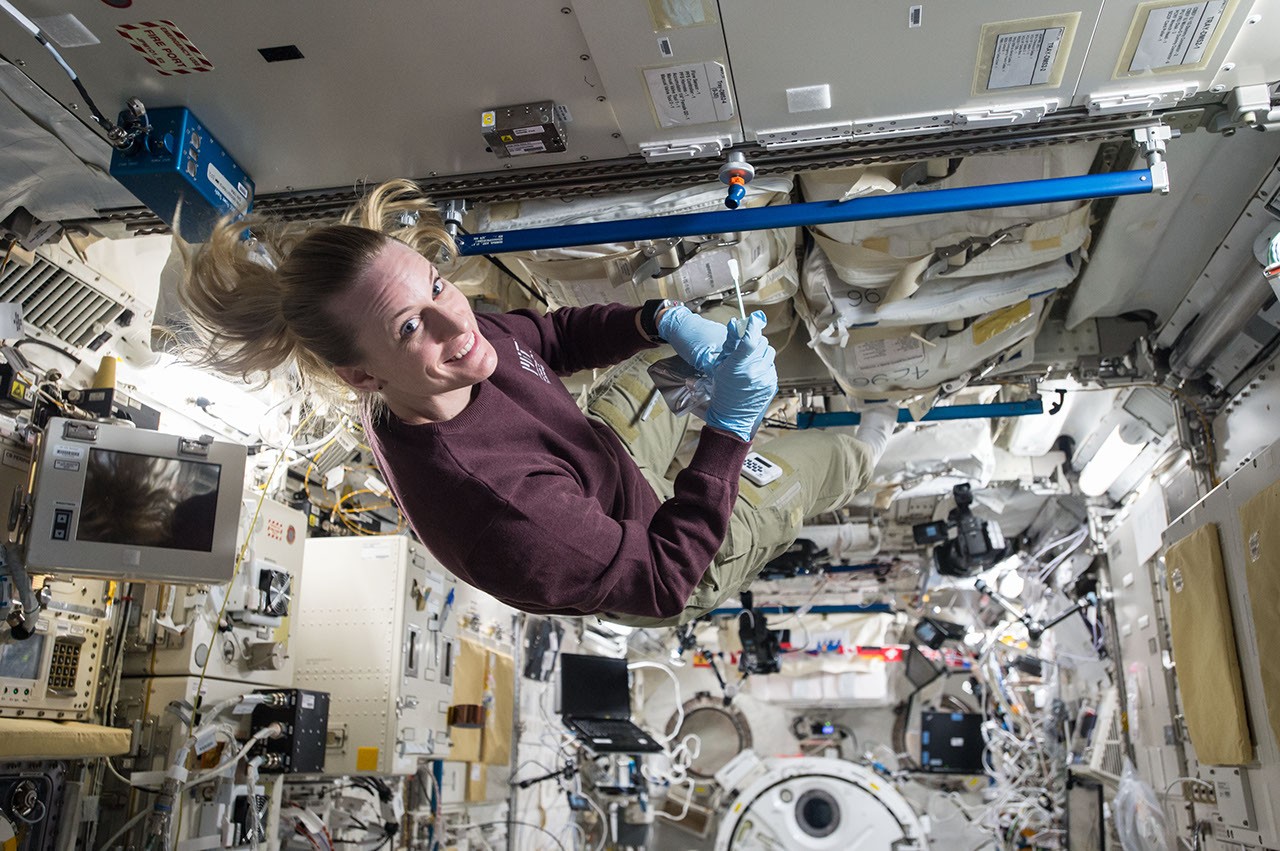
Human-Related Microbes May Survive Moon’s South Pole, NASA Finds
NASA scientists found that some microbes transported by humans could survive in shaded areas of the Moon's South Pole. This highlights a need to understand microbial persistence in extreme lunar environments.
Why it matters
Contamination from astronauts may make it difficult for researchers to distinguish ancient lunar chemistry or signs of life from Earth-based organisms, a concern that also applies to Mars.
The details
- The fungus Aspergillus niger showed high resistance to UV radiation in simulations.
- Survival is defined as staying alive for at least one Earth day.
- Simulations focused on Nobile Rim, Connecting Ridge, and De Gerlache Rim regions.
Show entities and relationshipsHide entities and relationships
In this article
Topics
Countries
Technologies
Key connections
NASA Goddard Space Flight Center is located in United States
NASA Goddard Space Flight Center is located in Greenbelt, Maryland, United States.
NASA Johnson Space Center is located in United States
NASA Johnson Space Center is located in Houston, Texas, United States.
Prabal Saxena works at NASA Goddard Space Flight Center
Prabal Saxena is a planetary scientist at NASA Goddard Space Flight Center.
Andrew Needham works at NASA Goddard Space Flight Center
Andrew Needham is an Artemis contamination-control scientist at NASA Goddard Space Flight Center.
Aaron Regberg works at NASA Johnson Space Center
Aaron Regberg is a geomicrobiologist at NASA Johnson Space Center.
Heather Graham works at NASA Goddard Space Flight Center
Heather Graham is a planetary scientist at NASA Goddard Space Flight Center.
Show 3 more connectionsShow fewer connections
NASA Goddard Space Flight Center uses Lunar Reconnaissance Orbiter
Scientists at NASA Goddard used data collected by Lunar Reconnaissance Orbiter instruments to model polar microenvironments.
NASA Johnson Space Center uses International Space Station
Researchers at NASA Johnson Space Center study microbial samples collected from the International Space Station.
NASA uses Planetary Protection
NASA applies planetary protection methodologies to minimize microbial contamination on robotic and crewed exploration missions.
Related events
NASA Study Identifies Potential for Microbial Survival at the Lunar South Pole
Get the weekly recap
The stories like this one, picked and explained — once a week, straight to your inbox.