 Source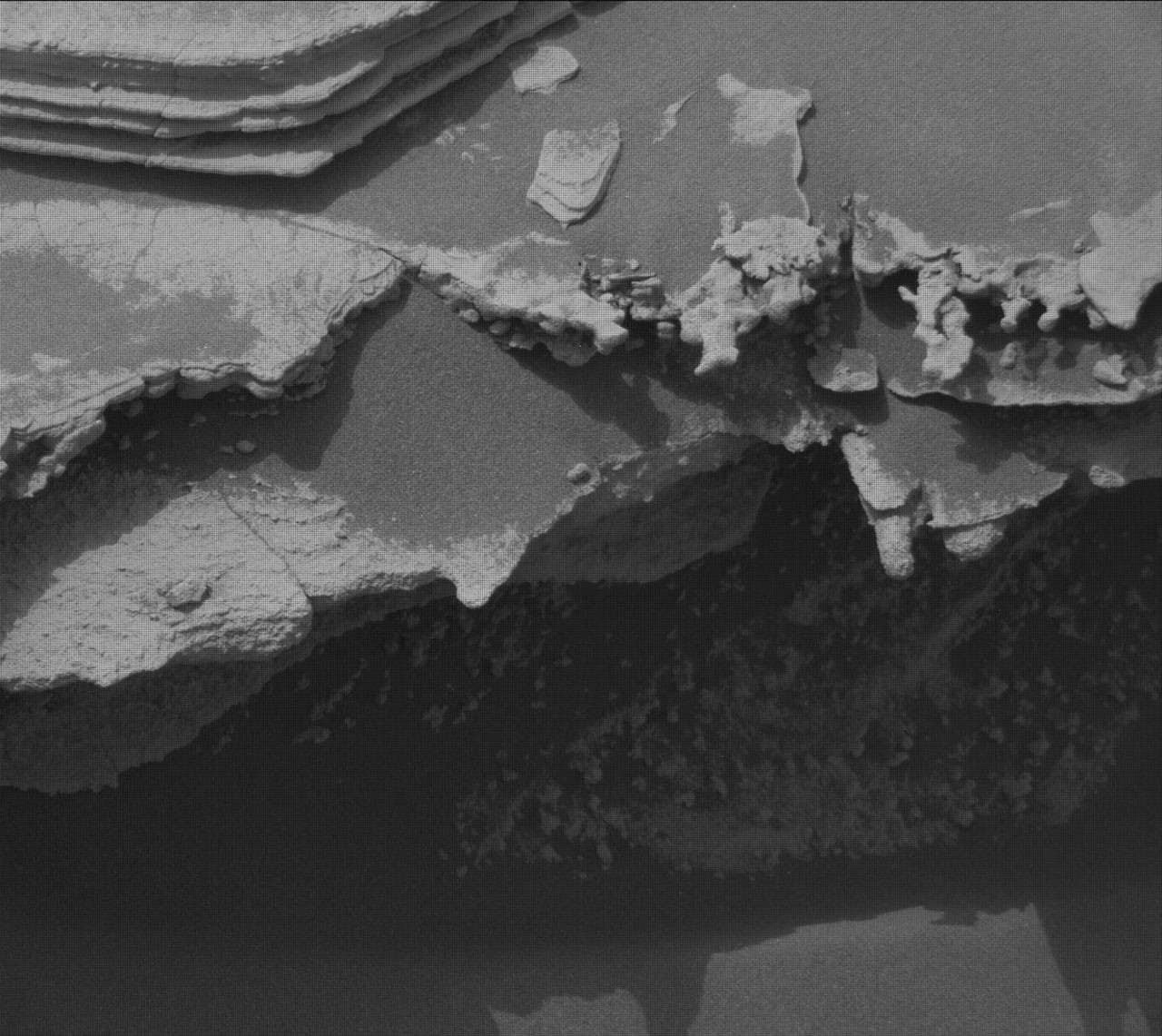
Curiosity Blog, Sols 4982–4987: Back to Our Regularly Scheduled Programming
NASA’s Curiosity rover has resumed its ascent of Mount Sharp after a detour to study an erosional surface. Between Sols 4982 and 4987, the rover conducted geologic analysis and monitored for Martian dust storms.
Why it matters
Analyzing these bedrock layers and atmospheric conditions helps scientists understand the geological history and weather patterns of Mars.
The details
- Curiosity drove 100 feet to analyze targets 'Mamorecillo' and 'Aguas Claras'.
- The rover monitors dust storms by measuring atmospheric optical depth, known as tau.
- Plans include a 150-foot drive southwest to continue climbing Mount Sharp.
Show entities and relationshipsHide entities and relationships
In this article
Key connections
NASA owns the Navcam camera system on Curiosity.
NASA owns the Dust Removal Tool on Curiosity.
Curiosity uses Navcam to monitor for dust storms and conduct dust-devil surveys.
Curiosity uses the Dust Removal Tool to brush dust off bedrock targets.
ChemCam uses Remote Micro-Imaging
ChemCam uses remote micro-imaging for high-resolution visual documentation.
Related events
Curiosity Executes Sols 4982 to 4987 Science Operations on Mount Sharp
Get the weekly recap
The stories like this one, picked and explained — once a week, straight to your inbox.